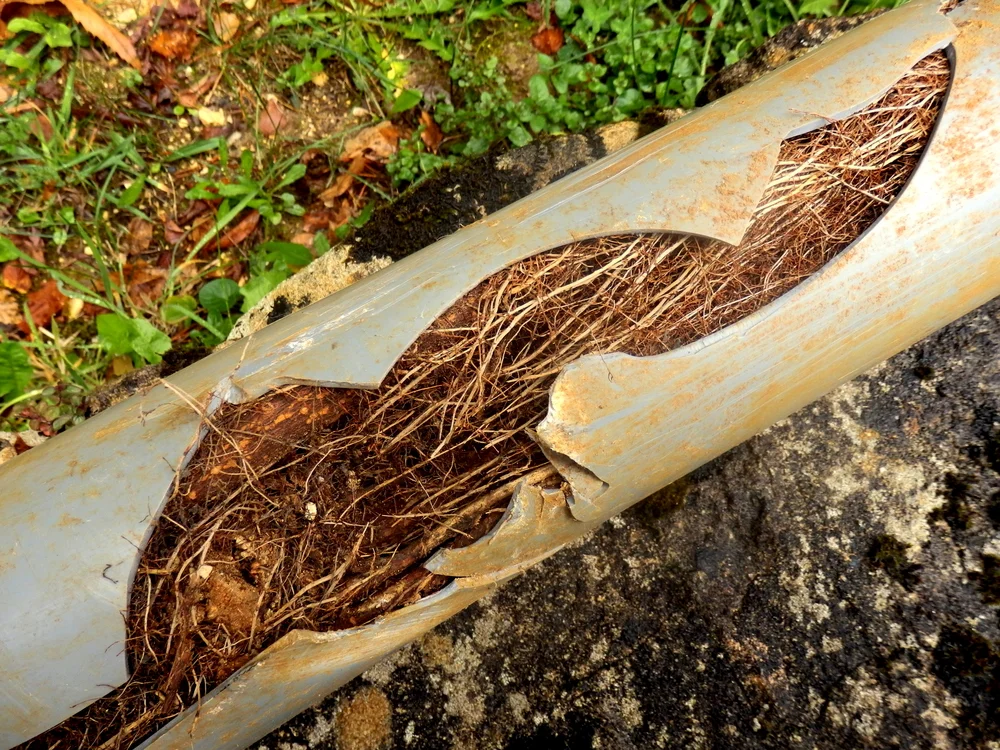
In Phoenix, where dry soil drives tree roots to seek out any available moisture, your sewer line can become an easy target. In fact, the invasion of tree roots in sewer lines is one of the most common plumbing problems for homeowners across the Valley. Once roots find their way into your pipes, they’ll continue to grow and spread, causing slow drainage and underground leaks.
Since 2014, ASAP Plumbing has helped homeowners throughout Maricopa County prevent these issues with professional plumbing and sewer solutions. And prevention starts with education.
In this guide, we’ll explain how to identify signs of tree roots in sewer lines and safely remove them, providing long-term solutions to protect your sewer line.
Why Tree Roots Invade Sewer Lines
Tree roots grow into sewer lines because they are drawn to the moisture, warmth, and nutrients within. Even small cracks or loose joints release detectable vapors, making your pipes a reliable water source, especially in Phoenix’s dry soil conditions.
Common factors that contribute to roots in sewer lines include:
- Aging or cracked pipes: Older pipes, especially clay or cast iron ones found in many Phoenix neighborhoods, tend to develop small cracks over time that roots can slip into.
- Loose joints or worn seals: Even tiny gaps at pipe connections can let moisture leak out, which is exactly what nearby roots are looking for.
- Trees planted too close to sewer lines: Roots grow toward water, so if a tree is planted near your sewer line, there’s a good chance they will head that direction.
- Shifting desert soil: Phoenix soil expands and shifts with heat and moisture, which can move pipes just enough to create small openings for roots to get in.
Signs of Tree Roots in Your Sewer Line
Here’s what to look out for if you suspect tree roots in your sewer lines:
- Slow-draining fixtures throughout the home: If more than one drain is slowing down, it’s usually not a simple clog. It often means something deeper in the main sewer line is starting to block the flow.
- Gurgling sounds from drains or toilets: If you hear bubbling or gurgling after using water, it may indicate that air is trapped behind a blockage in the line.
- Frequent backups at ground-level drains: Recurring clogs, especially in lower drains, can indicate that roots are continuing to grow inside the pipe.
- Unpleasant sewage odors indoors or outside: A strong sewer smell in your indoor and outdoor spaces usually means wastewater is leaking into areas where it shouldn’t be.
- Lush or unusually green patches in the yard: If part of your yard looks healthier or greener than the rest, it could be getting extra water and nutrients from a leaking sewer line.
- Soft spots or sinkholes near the sewer line: Areas of the ground that feel soft or start to sink can be a sign that a pipe below has been damaged and is washing soil away.
If you notice any of these issues, schedule a drain cleaning before the problem spreads further through the system. In many cases, what seems like a simple clog turns out to be deeper sewer line damage that requires professional tree root removal.
How to Diagnose Root Intrustion: Video Camera Inspection
Without a professional camera inspection, there is no reliable way to tell whether the problem is due to tree roots in your sewer line or another issue, such as grease buildup or a collapsed pipe.
A sewer camera inspection uses a waterproof HD camera inserted directly into the sewer line, giving technicians a clear view inside the pipe so they can pinpoint where roots have entered and assess the severity of the issue. These findings help the team narrow down the best repair approach and avoid unnecessary digging.
Tree Roots in Sewer Line Removal: Your Options
The right approach to the removal of tree roots in sewer lines depends on how far the roots have spread and whether the pipe itself is still structurally sound.
What Happens If You Ignore Tree Roots in Your Sewer Line?
Root intrusion is progressive. What starts as a small blockage can quickly escalate into a much larger problem as roots continue to grow inside the pipe.
- Complete sewer line blockage: As roots continue to grow inside the pipe, they can eventually block the flow of wastewater entirely, causing sewage to back up into sinks, tubs, or toilets.
- Pipe collapse or structural failure: Over time, expanding roots put pressure on the pipe walls, which can lead to worsening cracks or sections of the pipe breaking apart.
- Foundation damage: If a damaged sewer line leaks for long enough, it can wash away the soil beneath your home, which may start to impact the stability of the foundation.
- Higher repair costs over time: What could have been a relatively simple fix early on can turn into a much larger repair if the damage spreads, often requiring full sewer line replacement.
How to Prevent Tree Roots from Invading Your Sewer Line
There are a few smart decisions you can make around your yard and plumbing to prevent tree roots in your sewer line:
- Choose Trees Carefully Near Sewer Lines
Fast-growing species like Willow, Mulberry, and Eucalyptus tend to send roots out aggressively. Desert-friendly options like Palo Verde are less likely to cause issues in tighter spaces. - Maintain Proper Planting Distance
Keeping larger trees at least 20 to 30 feet away from your sewer line helps reduce the risk of their roots reaching it over time. - Schedule Routine Camera Inspections
A quick annual inspection can catch early growth before it becomes a blockage, especially in older Phoenix homes. - Install Root Barriers Where Needed
If you already have trees nearby, root barriers can help guide their growth in a different direction rather than toward your plumbing. - Use Preventative Treatments
After roots have been cleared, foaming treatments can help slow their return. - Upgrade Aging Sewer Pipes
If you have older pipes, consider scheduling sewer line repair and replacement service to eliminate the problem at the source.
Get Tree Root Removal Service in Phoenix Today
Once tree roots get into a sewer line, the problem only gets worse.
With 60-minute emergency response times and upfront pricing from licensed and insured technicians, ASAP Plumbing works with homeowners across Phoenix and Maricopa County to quickly identify issues and fix them right. Our teams use HD camera inspections and trenchless repair to minimize disruption to your property, giving you a clear picture of the problem and providing a lasting solution.
Handle it right. Handle it ASAP.